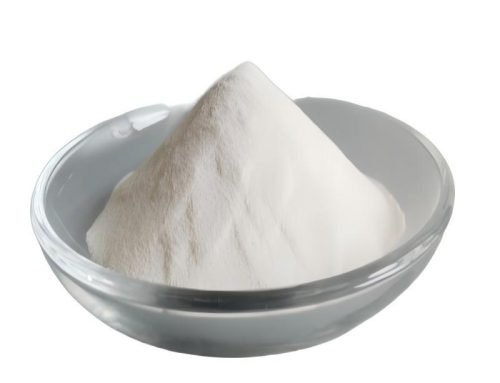
(1) Product Overview and Development History
Polycarboxylate Ether Superplasticizer (abbreviated as PCE) is the third-generation concrete water-reducing agent developed after lignin-based and naphthalene-based water-reducing agent. Since its first industrial application in Japan in the 1990s, it has become an indispensable core additive for high-performance concrete (HPC) and ultra-high performance concrete (UHPC).
(2) Molecular Structure and Mechanism of Action
Unique comb-like molecular structure
The main chain is formed by the polymerization of acrylic monomers containing carboxyl groups (-COOH)
Side chain: Long chain of polyoxyethylene ether (PEO) (molecular weight 600-5000)
Functional groups: sulfonic acid groups (-SO₃H), amino groups (-NH₂), and other modified end groups
Dual dispersion mechanism:
Electrostatic repulsion effect
Carboxylate ions are adsorbed on the surface of cement particles (with a Zeta potential of -35mV)
Form a double-layer structure to prevent particle agglomeration
Steric hindrance effect
The side chains of PEO stretch in the hydration medium (stretch length 5-20nm)
Generate physical isolation barriers to maintain dispersion stability
(3) Analysis of Engineering Application Advantages
Super high-rise building case (Shanghai Tower)
Challenge: C60 concrete is pumped to a height of 632 meters
Solution:
Slow-release PCE (dosage 0.18%) is adopted
The initial slump was 260mm and remained at 230mm after 5 hours
Outcome:
The pumping pressure is reduced by 40%
The 28-day strength compliance rate of the structural column is 100%
Enhanced Durability of Cross-sea Bridges (Hong Kong-Zhuhai-Macao Bridge)
(4)Key technologies
PCE with compound anti-corrosion components (rust prevention efficiency ≥95%)
The diffusion coefficient of chloride ions decreased to 0.8×10⁻¹²m²/s
Life prediction: The design service life has been increased from 50 years to 120 years