Key Differences Between Powder PCE for Cement-Based and Gypsum-Based Materials
Powder polycarboxylate superplasticizer, also known as powder PCE, is a functional additive used in certain dry-mix mortars, grouting materials, self-leveling compounds, and other cementitious products. It is mainly used to improve particle dispersion and adjust water demand while maintaining the required consistency.
Cement-based and gypsum-based materials differ in composition, hydration process, setting behavior, and construction requirements. As a result, their requirements for powder polycarboxylate superplasticizers are not necessarily the same.
Selecting a suitable product requires more than comparing the nominal water-reduction rate. The binder, formulation, application conditions, and target performance should also be considered.
1. How Does Powder Polycarboxylate Superplasticizer Work?
When cement or gypsum is mixed with water, the fine particles may form flocculated structures that trap part of the mixing water. After a compatible polycarboxylate superplasticizer adsorbs onto the particle surfaces, it can change the interaction between particles and promote dispersion.
Under suitable formulation and dosage conditions, powder PCE may help improve flowability or reduce the amount of water required to reach a specified consistency. Its actual performance can be affected by several factors, including:
- Type and source of binder;
- Mineral composition and particle fineness;
- Water-to-binder ratio;
- Ambient and material temperatures;
- Mixing procedure;
- Other additives in the formulation.
A higher dosage does not always produce a better result. Excessive dosage may contribute to bleeding, segregation, delayed setting, or changes in surface condition. The appropriate dosage should therefore be established through laboratory trials.
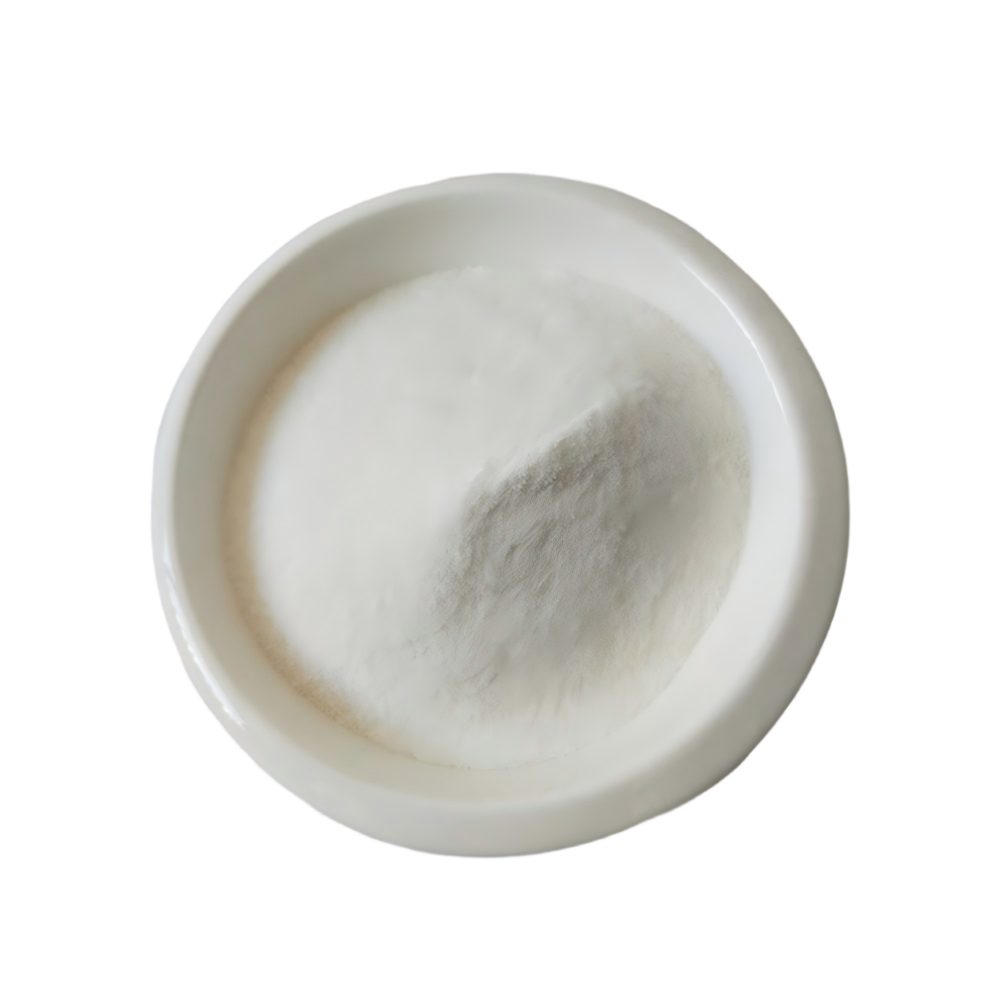
PCE powder
2. Requirements in Cement-Based Materials
Cement-based dry-mix products include cementitious self-leveling compounds, non-shrink grouts, repair mortars, pressure grouting materials, and certain precast products.
The performance requirements vary according to the intended use. When evaluating a powder PCE for a cement-based system, the following factors should be considered.
Initial Dispersion
The selected superplasticizer should be tested with the actual cement and supplementary cementitious materials used in the formulation.
Changes in cement source, clinker composition, sulfate balance, or mineral additives may affect the response to the same PCE product. A dosage that works with one cement may require adjustment when another cement is introduced.
Flow Retention
Some grouting and self-leveling products require sufficient working time after mixing. Testing should therefore include both initial flow and flow development over the specified period.
Flow retention requirements should be determined according to the application rather than assessed by a single general target.
Bleeding and Segregation
An increase in flowability does not necessarily mean that the formulation is stable. The mixture should also be observed for bleeding, particle settlement, segregation, and separation of aggregates.
These properties are influenced by the complete formulation, including the binder, graded aggregates, viscosity-modifying additives, and water content.
Setting Time and Strength Development
Powder polycarboxylate superplasticizer may interact with retarders, accelerators, defoamers, and other additives. These interactions can affect setting behavior, air content, and strength development.
The final formulation should therefore be evaluated using the test methods and curing conditions applicable to the intended product.
3. Requirements in Gypsum-Based Materials
Gypsum-based materials include gypsum self-leveling compounds, gypsum plasters, and certain prefabricated gypsum products.
The dissolution and crystallization process of gypsum differs from the hydration process of cement. Its setting behavior and crystal development may also be sensitive to chemical additives.
Compatibility with Gypsum Raw Materials
Natural gypsum, flue-gas desulfurization gypsum, and phosphogypsum may differ in purity, soluble salts, particle size, and other characteristics.
Consequently, the same powder PCE and dosage may produce different flow and setting results with different gypsum sources. Testing with the actual raw material is necessary before confirming the formulation.
Influence on Setting Time
Gypsum formulations often contain a retarder to provide a suitable working time. The combination of a superplasticizer and retarder may change the initial setting time, final setting time, and workable period.
Both additives should be evaluated together rather than assessed independently.
Balance Between Flow and Stability
Gypsum self-leveling compounds require sufficient flow while maintaining mixture stability. A large initial spread may not be suitable if it is accompanied by bleeding, settlement, surface laitance, or uneven hardening.
Product selection should therefore consider both flowability and the physical stability of the mixed material.
Properties of the Hardened Material
Water demand, air content, and crystal formation can affect the performance of hardened gypsum products. After adjusting the PCE dosage, it may be necessary to examine strength, surface condition, dimensional change, and other application-related properties.
4. Can the Same Powder PCE Be Used in Both Systems?
Although both products may be described as powder polycarboxylate superplasticizers, their molecular structures, adsorption behavior, and formulation objectives can differ.
A product developed for cement-based materials may not provide the required performance in a gypsum-based formulation. Similarly, a powder PCE that performs adequately with one gypsum source may not be suitable for every type of gypsum.
Before selecting a product, it is useful to confirm:
- The type, source, and composition of the binder;
- Whether the final product is a self-leveling compound, grout, repair mortar, or another material;
- The target water demand, initial flow, and flow-retention period;
- Requirements for initial setting, final setting, and early strength;
- The types of retarder, defoamer, cellulose ether, and other additives used;
- The expected mixing procedure and construction temperature;
- The applicable product standards and test methods.
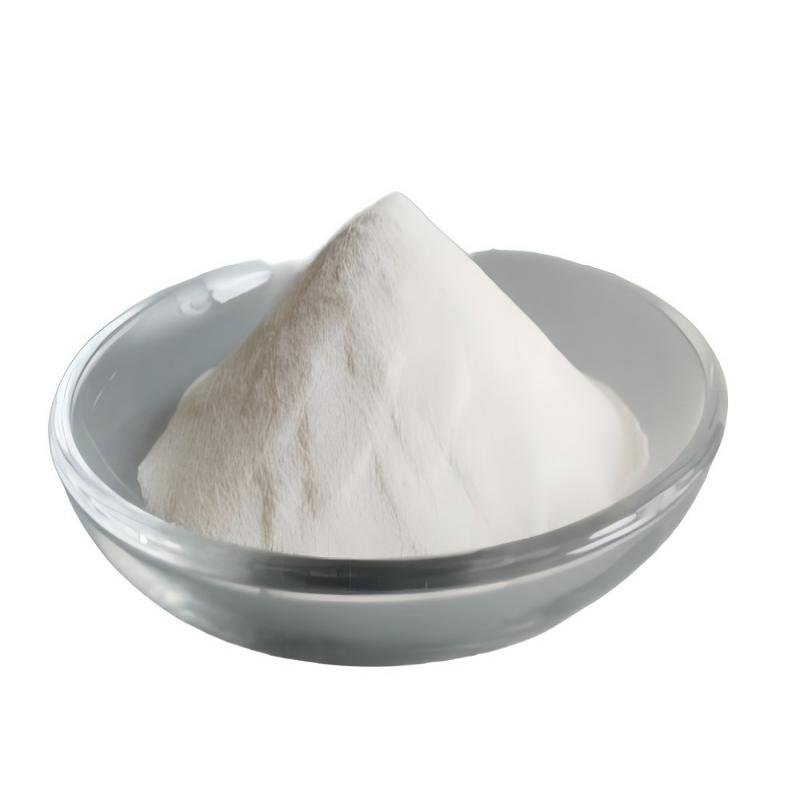
PCE-powder
5. Suggested Trial Procedure
During an initial laboratory evaluation, the base formulation and testing conditions should remain unchanged while the PCE type or dosage is adjusted.
Several dosage levels can be prepared, with the following information recorded for each sample:
- Actual water content;
- Initial flow or spread;
- Flow at specified time intervals;
- Initial and final setting times;
- Bleeding, segregation, and settlement;
- Air content, where relevant;
- Strength at the required ages;
- Surface condition and appearance of the hardened material.
After completing the initial comparison, other components such as the retarder, defoamer, or cellulose ether can be adjusted if necessary.
Changing several additives at the same time may make it difficult to determine which material caused the observed performance change.
6. Application and Storage Considerations
Powder polycarboxylate superplasticizer should generally be distributed evenly throughout the dry mixture. Insufficient mixing may result in performance differences between batches or between samples taken from different parts of the same batch.
The product should be kept sealed and stored in a dry environment to reduce the risk of moisture absorption and packaging damage. Shelf life, storage conditions, and preliminary dosage guidance should follow the technical documentation and packaging information supplied with the product.
If the cement, gypsum, aggregate, mineral additive, or another formulation component changes, compatibility should be reassessed. Before use in a commercial product or construction project, the formulation should also be tested according to the applicable standards and project requirements.
Conclusion
Cement-based and gypsum-based materials do not necessarily have the same requirements for powder polycarboxylate superplasticizers.
In cement-based formulations, testing commonly focuses on dispersion, water demand, flow retention, setting behavior, mixture stability, and strength development. In gypsum-based formulations, additional attention may be required for gypsum source, crystallization behavior, retarder compatibility, and the condition of the hardened material.
Liaoning Hengda New Material Co., Ltd. supplies powder polycarboxylate superplasticizers for different application systems, together with hydroxypropyl methylcellulose and redispersible polymer powder.
The appropriate product grade and dosage should be determined according to the raw materials, formulation, and test results. This article provides general technical information and does not replace product documentation, laboratory testing, applicable standards, or project specifications.