
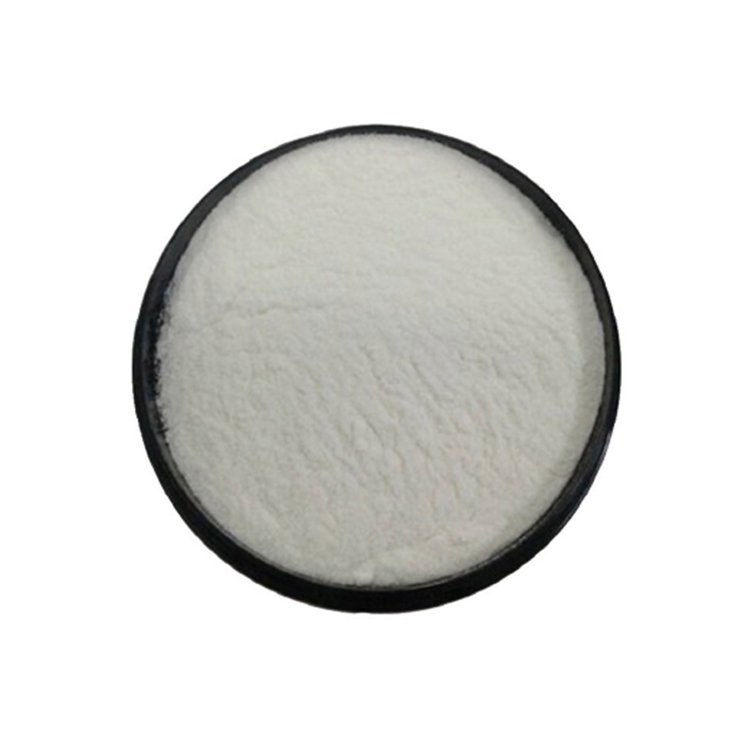
Building Material Grade Hydroxypropyl Methyl Cellulose
Hydroxypropyl methylcellulose (HPMC) is a nonionic cellulose ether polymer. Depending on the degree of substitution of the substituent groups and the degree of modification, they exhibit different chemical properties. It is a nonionic white cellulose ether powder.
Key Features and Performance
Building materials grade HPMC is specifically designed for building material formulations such as dry-mixed mortar, putty powder, tile adhesive, and gypsum products. It is a non-ionic water-soluble polymer. It has excellent water retention, thickening, workability, and adhesion properties, and can effectively improve the workability and stability of inorganic cementitious systems, adapting to different climates and construction conditions.
- Strong water retention: Prevents the substrate from losing water too quickly, avoiding problems such as drying cracks and powdering.
- Improved workability: Improves the lubricity and workability of mortar, reducing construction fatigue.
- Enhanced bonding strength: Improves bonding strength in systems such as tile adhesives and exterior wall insulation.
- Good alkali resistance: Performs stably in alkaline systems such as cement and gypsum.
- Strong climate adaptability: Suitable for use in different environments such as high temperatures, dryness, or humidity.
Field of application
Construction-grade hydroxypropyl methylcellulose is an indispensable high-performance additive in modern building materials, significantly improving construction performance and finished product quality.
- Tile adhesive/grout
Enhances bonding strength, prevents tile detachment and hollow sounds, and improves construction smoothness.
- Putty powder/gypsum-based products
Improves application feel, prevents sagging, and enhances surface flatness.
- Dry-mixed mortar (plastering, masonry, insulation, etc.)
Extends workability time, ensures mortar uniformity, and improves construction efficiency.
- External wall insulation systems
Enhances bonding strength between insulation boards and mortar layers, and improves system stability.
- Waterproof mortar
Improves density and durability, and reduces the risk of water penetration.
Main technical index
| Test item | Technical index |
|---|---|
| Appearance | White or off-white powder |
| Granularity | The pass rate for 100 mesh is greater than 98.5%; the pass rate for 80 mesh is greater than 100%. |
| Carbonization temperature | 280-300℃ |
| Apparent density | 0.25-0.70G/CM3,specific gravity1.26-1.31 |
| Color temperature | 190-200℃ |
| Auto-ignition temperature | About360℃ |
| Surface tension | 2% aqueous solution is 42-56 DYN/CM |
| Solubility | Soluble in water and some organic solvents |
Instructions for use
- Viscosity selection: 40,000–100,000 (depending on formulation requirements)
- Addition rate: 0.2%–0.6% (based on dry powder weight)
Packaged storage
Coated polypropylene woven bags, net weight per bag: 25 kg. Protect from direct sunlight, rain, and moisture during storage and transportation.